 Skip to content

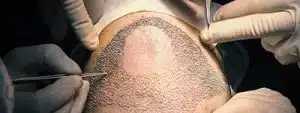


Type ‘natural baldness remedy’ into Google and you’ll drown in suggestions. Onion juice. Castor oil massages. Supplements making all sorts of dubious claims. You name it.

Amongst this sea of pseudo-solutions, pumpkin seed oil actually stands apart. Why? Because researchers have properly tested it in clinical trials, with real patients, and the findings were measured by independent teams.
The results are genuinely intriguing: 40% more hair after six months. Not shabby for a vegetable oil, is it?
Now, that doesn’t make it a miracle cure. But it’s certainly worth a proper look.
So, why do we lose our hair in the first place?
Before we get into solutions, let’s understand what’s actually going on up there. Because without knowing the problem, judging any treatment becomes guesswork.
Male pattern baldness (and to a lesser degree, female pattern baldness) comes down to hormones. Your body produces testosterone, nothing unusual there. The trouble starts when some of that testosterone gets converted into DHT by an enzyme called 5α-reductase.

For certain hair follicles, DHT is rather like that nightmare colleague who slowly makes your working life unbearable. It moves in. Makes itself comfortable. Gradually pushes the hair out until it gives up entirely. Follicles shrink, produce ever-thinner hairs, then eventually… nothing.
That’s androgenetic alopecia. And that’s where pumpkin seed oil enters the picture.
What makes this oil different
Pumpkin seed oil has a rather unusual chemical makeup. It contains molecules you won’t find much elsewhere: Δ7-phytosterols, making up nearly 88% of its total sterols. This oil has essentially carved out its own niche.
These phytosterols do something useful: they block the enzyme that turns testosterone into DHT. They’re cutting off the problem at source. Less DHT means less damage to your follicles.

Unlike finasteride (still the go-to medical treatment for baldness), pumpkin seed oil appears to block both types of the responsible enzymes, not just one. Clever, when you think about it.
There’s also a decent anti-inflammatory effect worth mentioning. Inflammation around follicles worsens hair loss, and this oil helps calm things down.
What the research actually shows
Right, let’s get to the evidence. Theories are all well and good, but what counts is what happens when you test this on actual people.

The Korean study that kicked things off
Back in 2014, South Korean researchers set out to test whether pumpkin seed oil lived up to the hype. They recruited 76 men with early to moderate baldness, split them into two groups, and monitored them for six months.
Half took 400 mg of the oil daily in capsules. The others got a placebo. Neither patients nor doctors knew who was taking what. A double-blind trial, the gold standard in clinical research.
The outcome? The pumpkin seed oil group showed a 40% increase in hair growth. The placebo group managed just 10%. That’s a statistically significant difference, not down to chance.
When asked whether they noticed improvement, 44% of those on the oil said yes. In the placebo group? Just 7.7%.
The gap speaks for itself.
What about women?
A 2021 Egyptian study looked specifically at women. Sixty participants were followed for three months. Half applied pumpkin seed oil to their scalp; the other half used 5% minoxidil (the standard topical treatment).
The verdict: both treatments performed similarly well. The oil matched minoxidil, quite something for a natural product.
For women, there’s another consideration: minoxidil can sometimes trigger unwanted facial hair growth (hypertrichosis). Hardly ideal. Pumpkin seed oil doesn’t carry that risk.
The big selling point: minimal side effects
This might be the most persuasive argument.
Finasteride works, but it comes with baggage. Between 2 and 5% of men report libido issues or erectile problems. For plenty of blokes, that’s too steep a trade-off for keeping their hair.
Pumpkin seed oil? In the 24-week Korean study, side effects were virtually non-existent. One patient out of 37 had mild stomach upset. That’s it.
Researchers checked liver function, kidneys, blood sugar, blood pressure. Everything stayed stable. Crucially, testosterone levels remained unchanged. No hormonal disruption, no impact on sex life.
For men wary of finasteride (and there are plenty), this is worth considering.
Practical advice on using it
Fancy giving it a go? Here’s what the studies suggest.
Taking it orally (the better-documented approach): 400 mg daily, in capsule form. Ideally split between morning and evening. And patience is essential. Expect to wait at least six months for results. Like all hair loss treatments, giving up too early is the biggest mistake.

Applying it topically: this works too, particularly for women. About one millilitre daily, massaged into the scalp. Give it at least three months before drawing conclusions.
The common mistake? Stopping after a couple of months because nothing’s happened yet. Hair grows slowly. The growth cycle takes its sweet time. Quit after eight weeks and you’ll never know if it would have worked.

Being realistic about the limitations
We’re not going to oversell this. Pumpkin seed oil shows promise, but it’s not a magic fix.
For starters, the research base is still thin. Two main clinical trials, with fairly small numbers (76 and 60 participants). Better than nothing, but nowhere near the thousands studied for finasteride or minoxidil.
No one’s directly compared it to finasteride either, so we can’t claim it’s equally effective. What indirect evidence we have suggests finasteride is probably more potent at lowering blood DHT levels.
And pumpkin seed oil won’t perform miracles on bald patches. It may slow loss and thicken existing hair, but it can’t resurrect follicles that have permanently shut up shop. For that, you need different options.
When should you look at other treatments?
Pumpkin seed oil suits the earlier stages. If your temples are starting to creep back or your crown’s thinning (Norwood stages II to V), it could be worth trying. Same goes for women experiencing diffuse hair loss.

But if baldness is already established, or progressing quickly despite treatment, you’ll need a more complete plan.

A hair transplant in Turkey remains the only option that can genuinely restore hair where follicles have died. Dr Emrah Cinik, with over 20 years in hair restoration, offers treatment plans combining advanced transplant techniques (Sapphire FUE, DHI) with complementary treatments to get the best results.

PRP (Platelet-Rich Plasma), included in all packages, works hand-in-hand with natural DHT inhibitors. This combined approach, surgery where needed and medical treatments to protect remaining hair, offers the best shot at lasting results.
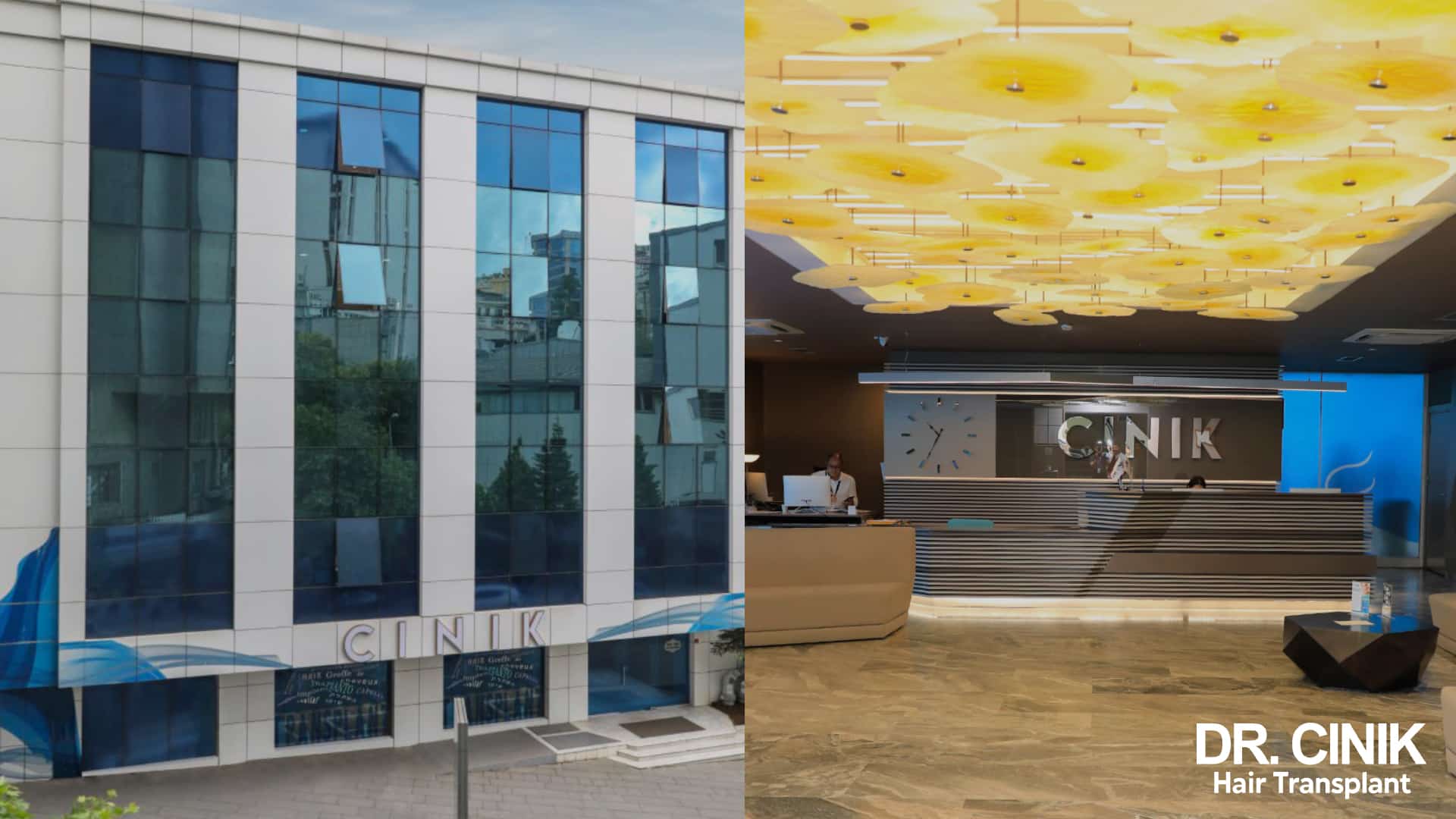
A free consultation lets us properly assess your situation. Is pumpkin seed oil enough? Do you need something more? The answer depends on how far your hair loss has progressed, your age, and what you’re hoping to achieve.
One thing’s certain: acting sooner rather than later is always the smarter move.
Scientific references
Cho, Y. H., Lee, S. Y., Jeong, D. W., Choi, E. J., Kim, Y. J., Lee, J. G., Yi, Y. H., & Cha, H. S. (2014). Effect of pumpkin seed oil on hair growth in men with androgenetic alopecia: A randomized, double-blind, placebo-controlled trial. Evidence-Based Complementary and Alternative Medicine, 2014, 549721. https://doi.org/10.1155/2014/549721
Ibrahim, I. M., Hasan, M. S., Elsabaa, K. I., & Elsaie, M. L. (2021). Pumpkin seed oil vs. minoxidil 5% topical foam for the treatment of female pattern hair loss: A randomized comparative trial. Journal of Cosmetic Dermatology, 20(9), 2867-2873. https://doi.org/10.1111/jocd.13976
Teeranachaideekul, V., Parichatikanond, W., Junyaprasert, V. B., & Morakul, B. (2022). Pumpkin seed oil-loaded niosomes for topical application: 5α-reductase inhibitory, anti-inflammatory, and in vivo anti-hair loss effects. Pharmaceutics, 14(8), 1638. https://doi.org/10.3390/pharmaceutics14081638
Drake, L., Reyes-Hadsall, S., Martinez, J., et al. (2023). Evaluation of the safety and effectiveness of nutritional supplements for treating hair loss: A systematic review. JAMA Dermatology, 159(1), 79-86. https://doi.org/10.1001/jamadermatol.2022.4867
Ufomadu, P. (2024). Complementary and alternative supplements: A review of dermatologic effectiveness for androgenetic alopecia. Proceedings (Baylor University Medical Center), 37(1), 111-117. https://doi.org/10.1080/08998280.2023.2263829