 Skip to content



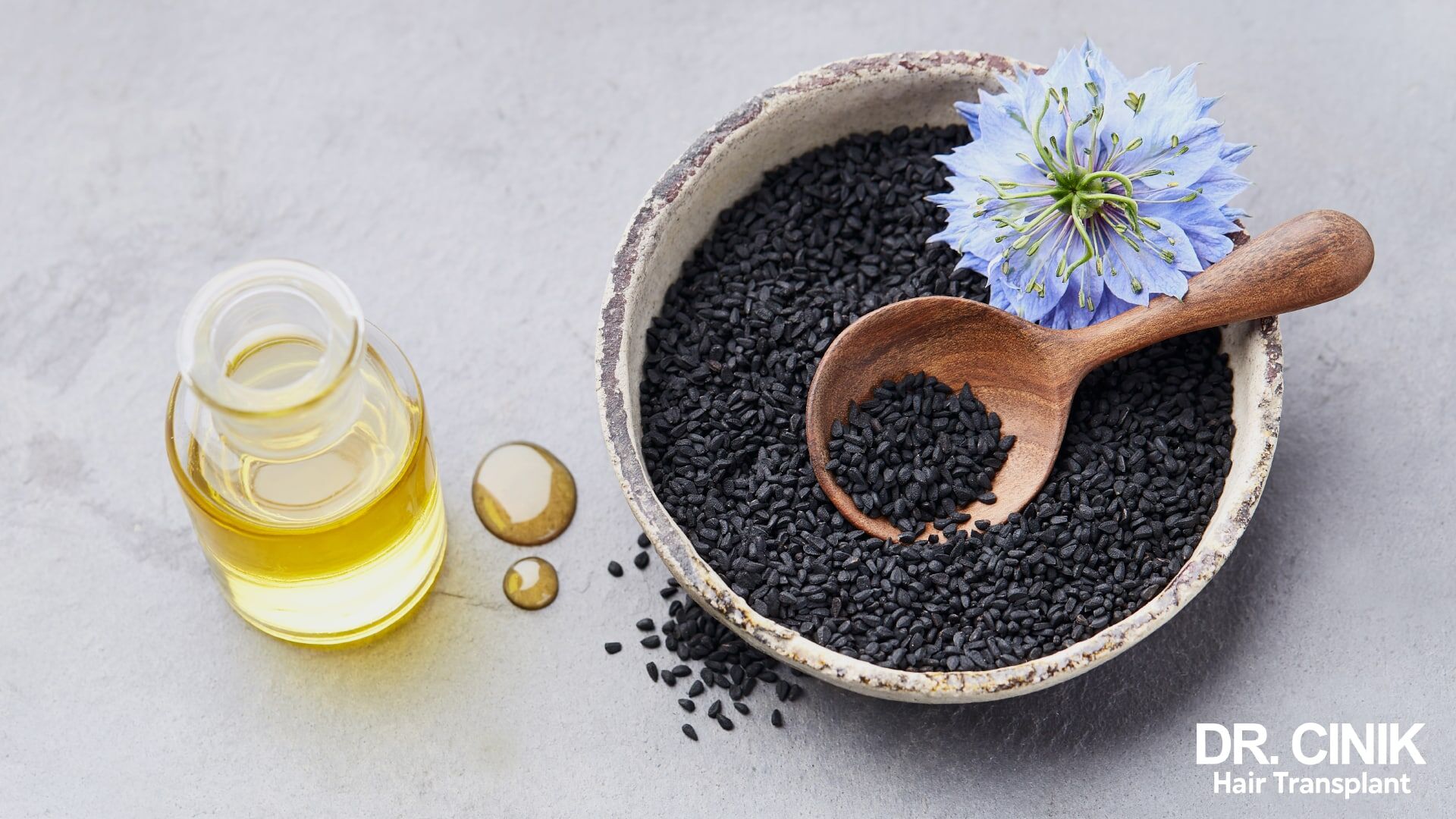
Black cumin, or nigella, has become something of a darling in the world of home remedies. People have been singing its praises for centuries. Digestion, immunity, skin, and now… hair.

Scroll through TikTok or Instagram and you’ll find testimonials of ‘hair transformations’ racking up millions of views. It’s become the go-to suggestion the moment anyone mentions hair loss in the comments.
But here’s the thing. What gets shared on social media and what science has actually demonstrated are often worlds apart.
So we did some proper digging. We trawled through medical publications, clinical trials, even studies on rats (yes, those matter too, and we’ll get to why). The verdict? It’s complicated. Which, when we’re talking about health, is usually the honest answer.
There’s genuinely interesting stuff in this oil. But perhaps not quite what you’ve been led to believe.
Why this oil warrants attention
Look, a new ‘miracle’ hair oil pops up practically every month. Coconut, castor, argan, jojoba… So why bother with this one?
It comes down to something with an unglamorous name: thymoquinone.
This is the main active compound in black cumin, making up between 18 and 24% of its essential oil. That’s substantial. More importantly, this molecule doesn’t simply hydrate or coat the hair shaft like most oils do. It appears to work at a deeper level, on three distinct fronts.

It targets DHT. DHT is the testosterone-derived hormone that gradually shrinks your hair follicles until they eventually give up entirely. It’s the primary villain in male pattern baldness, present in virtually all cases of androgenetic alopecia.
In rat studies (more on those shortly), high doses of black seed oil reduced DHT levels more significantly than finasteride, the standard pharmaceutical treatment. Rodent studies, granted, but worth noting.
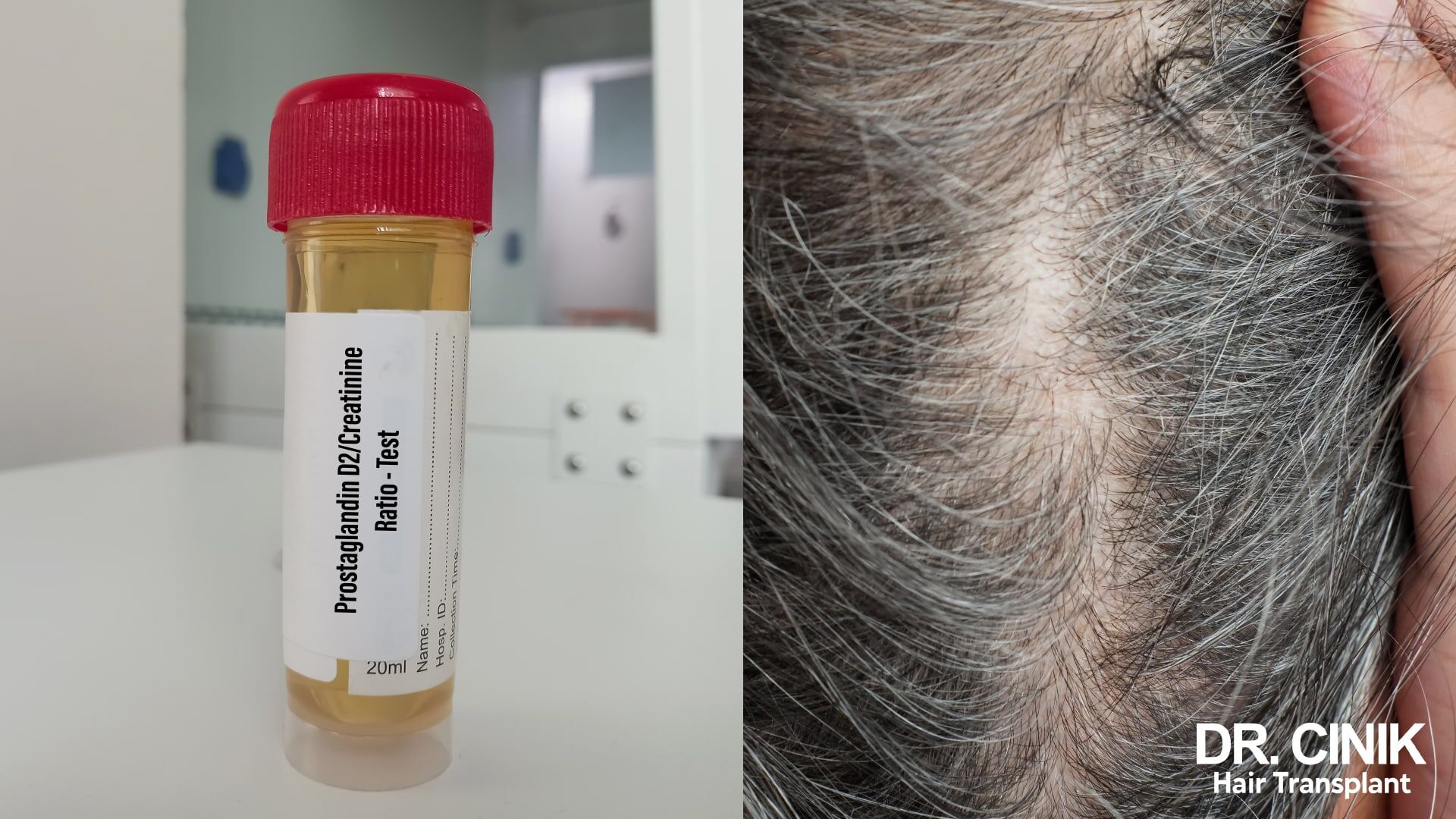
It dampens inflammation. And not by half. Thymoquinone blocks a whole cascade of pro-inflammatory molecules, those cytokines you probably heard about during Covid.
What’s particularly relevant is that it inhibits prostaglandin D2. Why does that matter? Because researchers recently discovered this molecule is abnormally elevated in balding areas of the scalp. It essentially prevents hair from growing.
Think of it like that colleague who quietly sabotages everyone else’s work, except here, your hair follicles are paying the price.

It protects against oxidative stress. Essentially acting as a bodyguard for your cells against free radicals. These accumulate with age, pollution, stress… and your scalp isn’t spared.
On paper, it hangs together well. The science makes sense.
But obviously, the question you actually want answered is: does it work? On real people? Possibly on you?
The study that got everyone talking
Let’s be upfront. There’s only one properly rigorous clinical trial on black cumin and hair loss. One. Conducted by an Italian team at Sapienza University of Rome in 2013.
Twenty women with telogen effluvium, a form of diffuse hair loss typically triggered by significant stress, illness, childbirth, or similar upheavals, took part over three months.
Half applied a lotion containing 0.5% black cumin essential oil. The other half got a placebo that looked identical.
Neither the patients nor the doctors knew who had what. This is what’s called a double-blind study, the gold standard in medical research.
The results, measured by video dermoscopy (a technique that lets you properly see what’s happening at follicle level), were frankly encouraging:
| What was measured | Black seed group | Placebo group |
| Improvement in hair density | 90% | 30% |
| Improvement in hair thickness | 100% | 20% |
| Overall improvement (doctor-assessed) | 70% | 20% |
| Worsening of condition | 0% | 50% |
That last figure is worth a double-take. Zero worsening in the black seed group. None at all. Meanwhile, in the placebo group, half the women saw their condition deteriorate during the study.
Another telling detail: perifollicular inflammation, those small red bumps around the follicles visible under a microscope, had completely resolved in the treated women. In the placebo group, it remained unchanged.

Honestly? Looking at these numbers, you can see why black seed oil has generated such interest.
A word of caution
But there’s always a ‘but’ in medicine. These results need context.
Twenty participants. Three months of follow-up. A single study.
We’re nowhere near the level of evidence behind minoxidil (tested on thousands since the 1980s) or finasteride (decades of clinical experience).
One swallow doesn’t make a summer, as they say.
There’s also a distinction that often gets overlooked. This study looked at telogen effluvium. Not androgenetic alopecia. And they’re really quite different conditions.

Telogen effluvium is reactive hair loss. Your body has been through something, perhaps intense stress, a fever, a crash diet, childbirth, surgery, and your hair has collectively decided to hit pause. The result: a few months later, it falls out in handfuls. It’s alarming, sometimes frightening, but the reassuring news is that it’s typically reversible. Once the underlying cause is addressed, regrowth usually follows.
Androgenetic alopecia, by contrast, is classic baldness. The kind written into your genes. The kind that progresses steadily, year after year.
And for this type? There are simply no human clinical trials on black cumin.
The promising DHT data comes entirely from animal studies.
Does that mean it won’t help this type of baldness? We can’t say definitively. Can we guarantee it will? Even less so.
At least the risk profile is good
Whilst black seed oil hasn’t yet established itself as the definitive hair loss treatment, it does have one solid advantage: it’s remarkably safe.
Black seed oil holds FDA GRAS status in the United States, meaning ‘Generally Recognised as Safe’. The American health authorities consider it safe enough for everyday use, and similar safety standards apply in the UK and EU.
Toxicological studies are reassuring, showing a wide safety margin. In clinical trials, side effects are genuinely rare. A few isolated cases of contact dermatitis with topical use, as with any oil or cosmetic, really. Temporary nausea or bloating when taken orally, mostly in those with sensitive stomachs.
That’s pretty much it.

It’s a welcome contrast to the concerns around finasteride and its sexual side effects (affecting between 2 and 5% of men, not enormous, but enough to give many pause). With black seed oil, you can at least try it without anxiety.
A few sensible precautions still apply, because ‘natural’ never means ‘risk-free’:
- Diabetics: keep an eye on blood sugar, as black seed oil can affect it
- On anticoagulants: speak to your doctor first
- Pregnant or breastfeeding: best avoided as a precaution
- Surgery planned: stop two weeks beforehand (possible effect on blood clotting)
How to use it in practice
If you want to give it a go, here’s what we know about the protocol that worked in the Italian study.
The researchers used a 0.5% black seed oil lotion, applied daily to the scalp. That’s roughly 2ml per day, or about twenty drops spread across the affected areas.
Initial effects on reducing hair fall appeared between 4 and 12 weeks. Visible changes in density showed up around the third month. The best results emerged around 6 months.

Is that a long time? Yes. But this is standard for any hair treatment, no exceptions. The hair cycle simply takes time. Hair falling out today reflects a follicle that decided to take a break two or three months ago. Everything runs on a delay.
Patience, then, is perhaps the most important advice in this entire article.
For oral supplementation, recommendations typically range from 500 to 1000mg of black cumin seeds or oil, twice daily, not exceeding 3 grams total. But honestly, no study has properly evaluated this approach specifically for hair with the rigour we’d want to see.
Two common mistakes worth avoiding:
- Expecting results within a fortnight and giving up in frustration
- Buying the first oil you spot on Amazon without checking quality. Thymoquinone concentration varies enormously between products, and that’s what does the actual work
Who might benefit (and who won’t)
Let’s be straightforward about what we can reasonably expect from black seed oil.

It’s probably worth considering if:
- You’re losing hair following a stressful event, illness, childbirth, or emotional shock (telogen effluvium)
- You’re after a natural complement to other treatments
- You can’t tolerate conventional medications or their side effects concern you
- Your hair loss is recent and still moderate
- You have an irritated, inflamed, itchy scalp
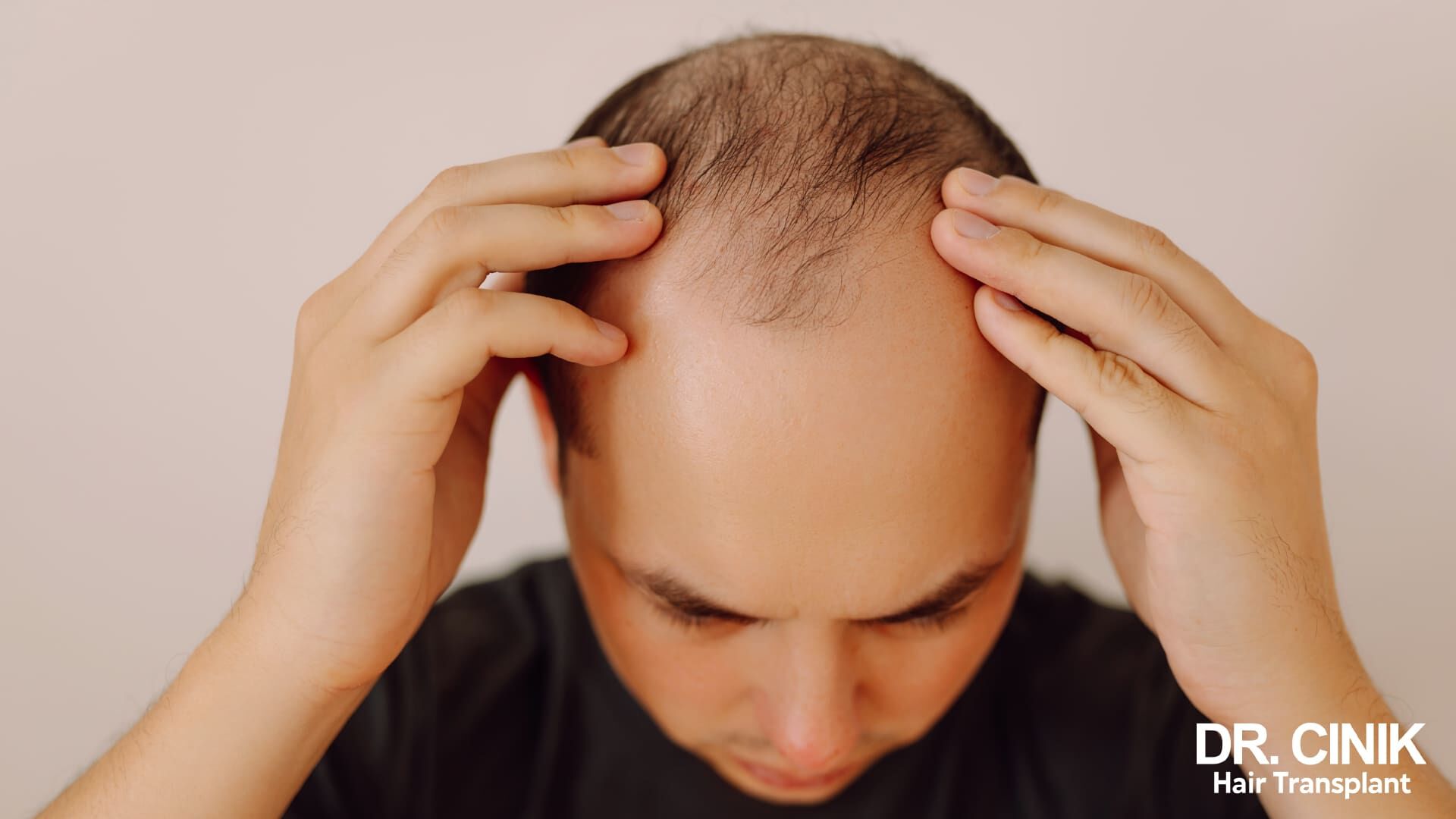
It’s unlikely to be sufficient if:
- Your baldness has been established for years
- You’re at an advanced Norwood stage (IV, V, VI…)
- Your follicles are already miniaturised or have vanished entirely
- You’re expecting results comparable to finasteride for androgenetic alopecia
Nigella may help slow hair loss. It might thicken existing hair somewhat. It will almost certainly soothe scalp inflammation.
But bring dead follicles back to life? No. No oil can manage that. Nor can any topical treatment, come to that.
To regrow hair where there’s nothing left at all, you need to consider other options.
When it’s time to consider more
If your hair loss continues despite treatments, or if you’re starting from an already advanced stage, the reality is this: a hair transplant in Turkey remains the only solution capable of restoring hair where follicles have permanently given up.

Dr Emrah Cinik, with over 20 years of experience in hair restoration, offers approaches that don’t rely on a single method.
Current transplant techniques, such as Sapphire FUE and DHI, deliver natural and lasting results, with recovery times much faster than a decade ago.
PRP, included in all packages, stimulates existing follicles and optimises graft survival.
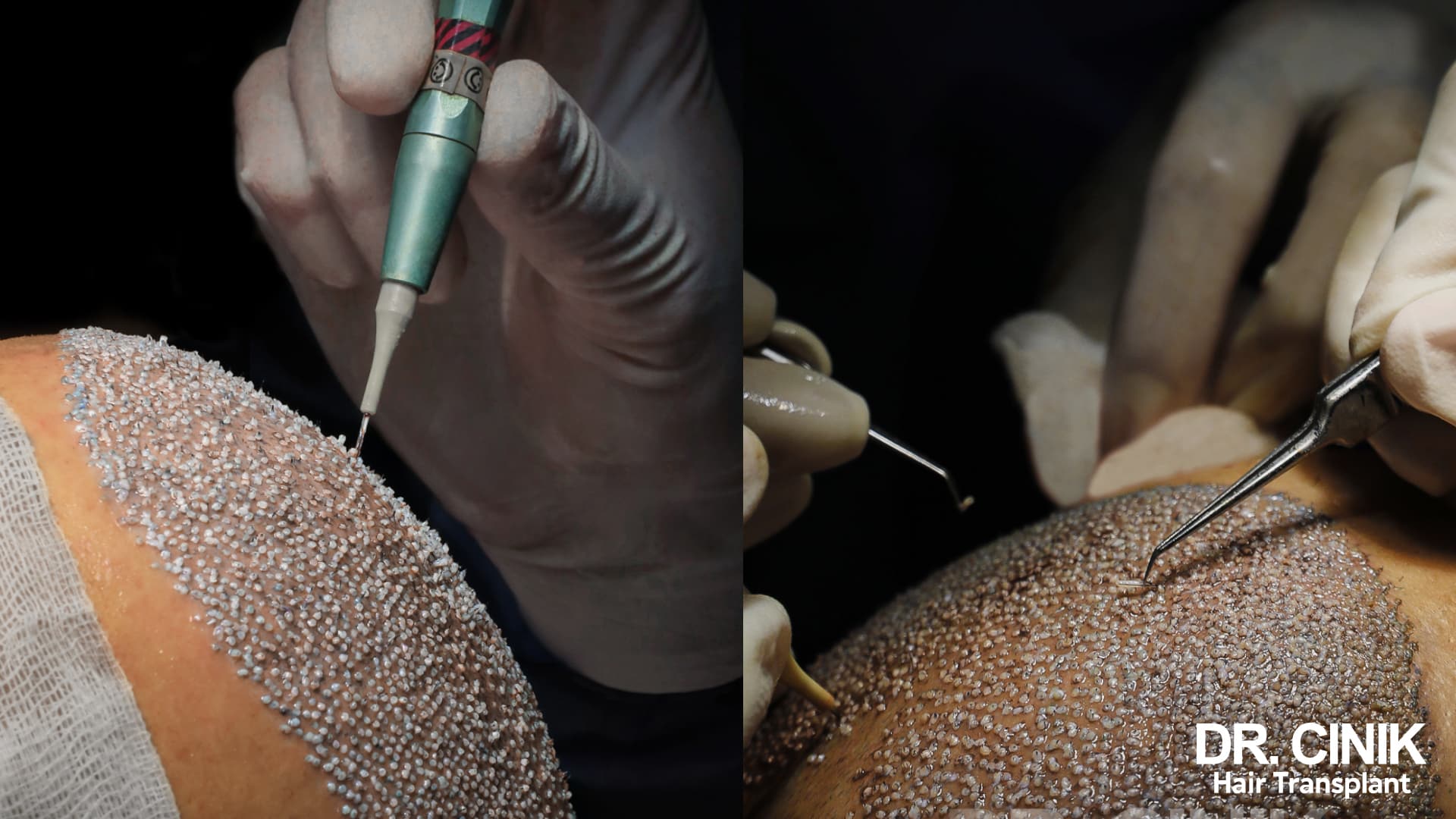
The key is combining these techniques thoughtfully. Transplantation to restore what’s been lost, and medical treatment to protect what remains. And there’s no reason not to add natural treatments like black seed oil for its anti-inflammatory benefits, particularly if you’re someone who doesn’t tolerate minoxidil or finasteride well.
A free consultation allows us to assess your individual situation. Sometimes, a well-managed conservative treatment is all that’s needed. Sometimes, you need to think bigger.
What’s certain is that acting early always keeps more options available. The follicles we preserve this year are the hairs we’ll still have in ten.

In summary
Black seed oil isn’t the miracle cure some would have you believe. But it’s not mere hype either.
A proper clinical study shows 70% improvement in telogen effluvium. That’s meaningful.
The mechanism of action, anti-DHT, anti-inflammatory, antioxidant, holds up scientifically.
The safety profile is excellent, which matters enormously when we’re talking about treatments used for months on end.
For androgenetic alopecia, though, we’re largely in the dark. Animal studies look promising, but you can’t build a treatment protocol on those alone. Human clinical trials simply don’t exist yet.
Black seed oil has earned a place in the hair care toolkit. As an adjunct treatment. As an alternative for those who can’t tolerate medication. As an anti-inflammatory treatment for the scalp.
Not as a miracle solution for established baldness.
And in all cases, one golden rule: the earlier you start, the better.
Scientific references
Ahmad, A., Husain, A., Mujeeb, M., Khan, S. A., Najmi, A. K., Siddique, N. A., Damanhouri, Z. A., & Anwar, F. (2013). A review on therapeutic potential of Nigella sativa: A miracle herb. Asian Pacific Journal of Tropical Biomedicine, 3(5), 337–352. https://pmc.ncbi.nlm.nih.gov/articles/PMC3642442/
Almohanna, H. M., Ahmed, A. A., Tsatalis, J. P., & Tosti, A. (2019). The role of vitamins and minerals in hair loss: A review. Dermatology and Therapy, 9(1), 51–70. https://pmc.ncbi.nlm.nih.gov/articles/PMC6380979/
Darakhshan, S., Bidmeshki Pour, A., Hosseinzadeh Colagar, A., & Sisakhtnezhad, S. (2015). Thymoquinone and its therapeutic potentials. Pharmacological Research, 95–96, 138–158. https://pubmed.ncbi.nlm.nih.gov/25829334/
Khader, M., & Eckl, P. M. (2014). Thymoquinone: An emerging natural drug with a wide range of medical applications. Iranian Journal of Basic Medical Sciences, 17(12), 950–957. https://pmc.ncbi.nlm.nih.gov/articles/PMC4387230/
Rossi, A., Mari, E., Scarno, M., Garelli, V., Maxia, C., Scali, E., Iorio, A., & Carlesimo, M. (2013). Comparative effectiveness and safety of topical Nigella sativa oil in the treatment of telogen effluvium: A randomized, double-blind, placebo-controlled trial. Dermatology and Therapy, 3(2), 215–221. https://pmc.ncbi.nlm.nih.gov/articles/PMC3870105/
Tavakkoli, A., Mahdian, V., Razavi, B. M., & Hosseinzadeh, H. (2017). Review on clinical trials of black seed (Nigella sativa) and its active constituent, thymoquinone. Journal of Pharmacopuncture, 20(3), 179–193. https://pmc.ncbi.nlm.nih.gov/articles/PMC5633670/